


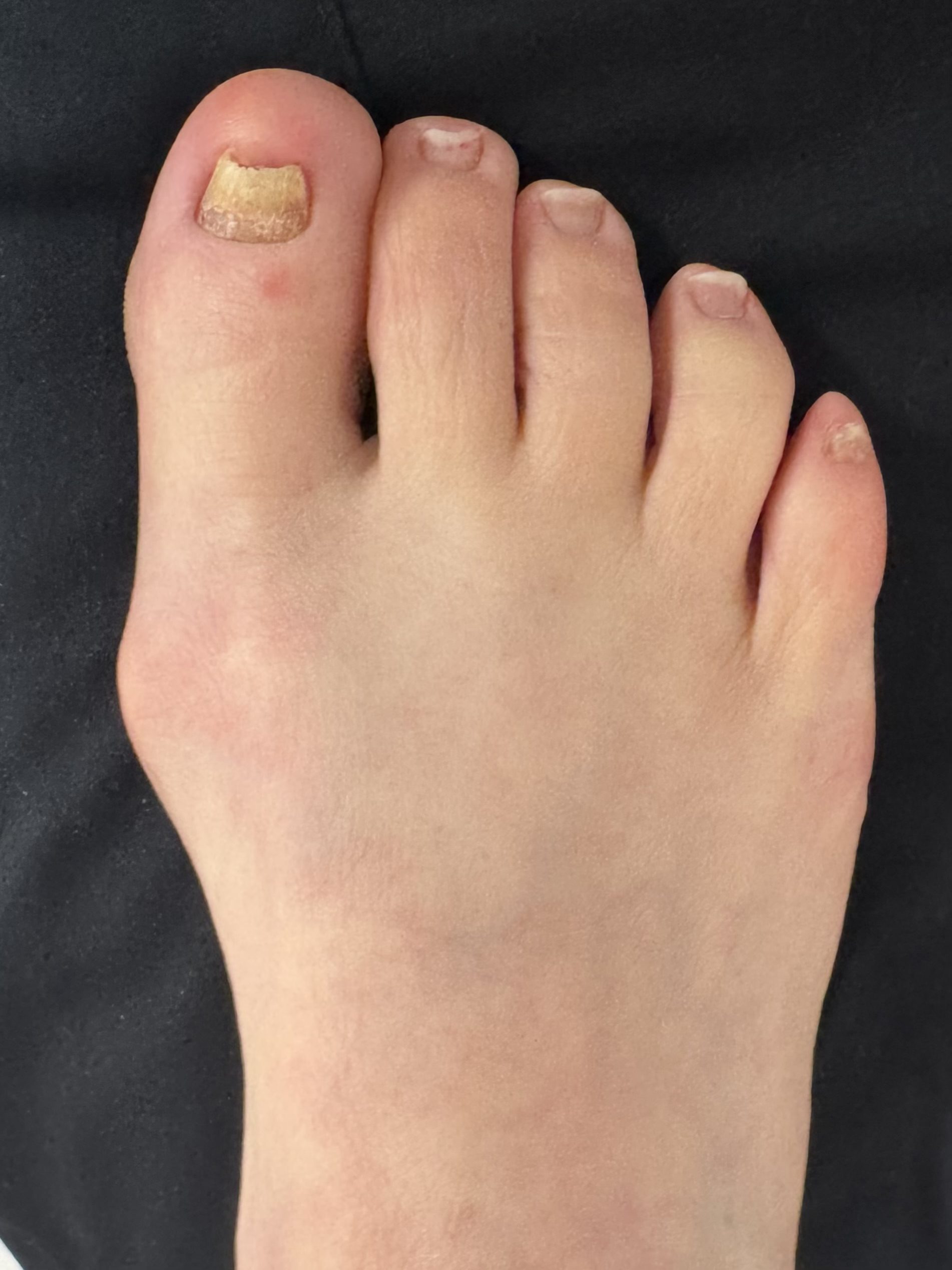
Discovering you have a bunion on one foot but not the other can be puzzling and concerning. Many patients wonder why this asymmetrical development occurs and whether their other foot will eventually develop the same problem. Understanding the reasons behind unilateral bunions helps you make informed decisions about treatment and prevention strategies for both feet.
Understanding Unilateral Bunion Development
Having a bunion on one foot is more common than many people realize. Research shows that just over 40% of people with hallux valgus have unilateral bunions, while just under 60% develop bilateral bunions Lower Extremity Review. This means nearly half of all bunion sufferers initially experience the condition on only one side.
Several factors contribute to why bunions develop asymmetrically rather than affecting both feet equally from the onset.
Primary Causes of Single-Foot Bunions
Biomechanical Differences Between Feet
Your feet are rarely identical twins. Subtle differences in structure, flexibility, and function can predispose one foot to bunion formation while protecting the other. These variations include:
- Different arch heights affecting weight distribution
- Variations in joint mobility and ligament laxity
- Slight differences in bone structure or alignment
- Asymmetrical muscle strength or tendon tightness
Gait Pattern Imbalances
The way you walk naturally favors one foot over the other for certain movements. If you consistently push off more forcefully with one foot or have a slight limp from an old injury, the increased pressure can accelerate bunion development on the more stressed side.
Previous Injuries or Trauma
A past injury to one foot, ankle, or leg can alter your walking pattern and create imbalanced forces. Even minor sprains or fractures that seem fully healed can leave subtle changes that contribute to bunion formation years later.
Footwear Factors
Interestingly, the way shoes fit and wear differently on each foot can contribute to unilateral bunion development. If one foot is slightly larger or shaped differently, it may experience more pressure inside the same shoe size.
Risk Factors for Progression
While you currently have a bunion on one foot, several factors influence whether your other foot will develop the same condition:
Genetic Predisposition
If bunions run in your family, both feet likely carry the same genetic susceptibility. Environmental triggers may simply affect one foot first.
Age and Hormonal Changes
As you age, ligaments naturally become more lax, potentially allowing bunion development in your unaffected foot. Hormonal changes, particularly in women during menopause, can accelerate this process.
Activity Level Changes
Modifications in your exercise routine, work activities, or daily habits can shift pressure patterns and trigger bunion development in your previously unaffected foot.
Prevention Strategies for Your Healthy Foot
Taking proactive steps now can help protect your bunion-free foot:
- Choose proper footwear: Ensure adequate toe room and avoid excessive heel heights
- Maintain foot flexibility: Regular stretching and strengthening exercises keep joints mobile
- Address gait imbalances: Physical therapy can help correct walking patterns that stress one foot more than the other
- Monitor changes: Watch for early signs like toe drift or joint prominence
Treatment Options for Your Current Bunion
Don’t let your existing bunion worsen while focusing on prevention. At Northwest Surgery Center, Dr. Brant McCartan specializes in minimally invasive bunion surgery that allows you to walk out the same day with minimal downtime.
Our advanced surgical techniques address the root cause of bunion formation while preserving healthy tissue and joint function. With over 30 years of experience, Dr. McCartan has helped thousands of patients achieve lasting relief from bunion pain.
When to Seek Professional Help
Early intervention produces the best outcomes for both treatment and prevention. Consider consulting a specialist if you experience:
- Persistent pain during daily activities
- Difficulty finding comfortable shoes
- Progressive worsening of the bunion appearance
- Development of secondary problems like hammertoes
Take Action Today
Having a bunion on one foot doesn’t mean you’re destined to develop bilateral problems, but it does indicate the need for professional evaluation and proactive care. Understanding your individual risk factors and taking appropriate action can help preserve the health of both feet.
Don’t wait for your condition to worsen or for problems to develop in your other foot. The experienced team at Northwest Surgery Center offers comprehensive evaluation and state-of-the-art treatment options. Contact us today to schedule your consultation and take the first step toward healthier, pain-free feet.
FAQs
Why do I only have a bunion on one foot?
This usually comes down to uneven pressure between your feet, caused by gait differences, old injuries, or how weight is distributed when you walk or stand.
Is a one-sided bunion a sign of a bigger issue?
Not always, but it can sometimes point to an imbalance in how you walk. A podiatrist can check whether anything else is contributing.
Can shoes cause a bunion on just one foot?
Yes, footwear that fits differently on each foot, or habits like favoring one side, can contribute to uneven bunion development.
Will the unaffected foot eventually develop a bunion too?
It’s possible, but not guaranteed. Regular checkups help catch early signs if it starts to develop.
How often does Dr. McCartan perform surgery, and does that affect wait times?
Dr. McCartan performs surgery 3-4 days a week, more frequently than many surgeons in the field. This sets him apart and typically means shorter wait times for patients ready to schedule.